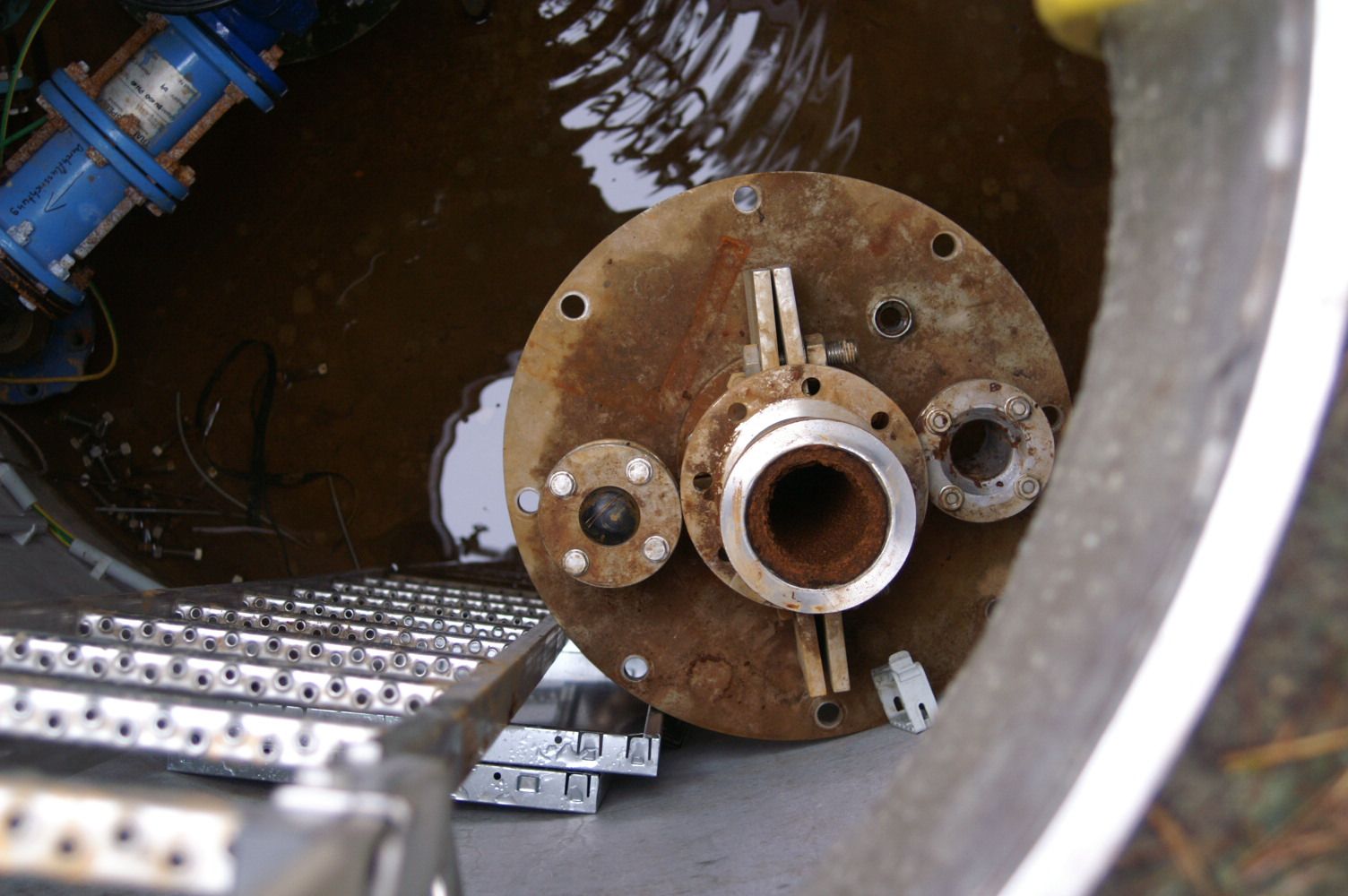
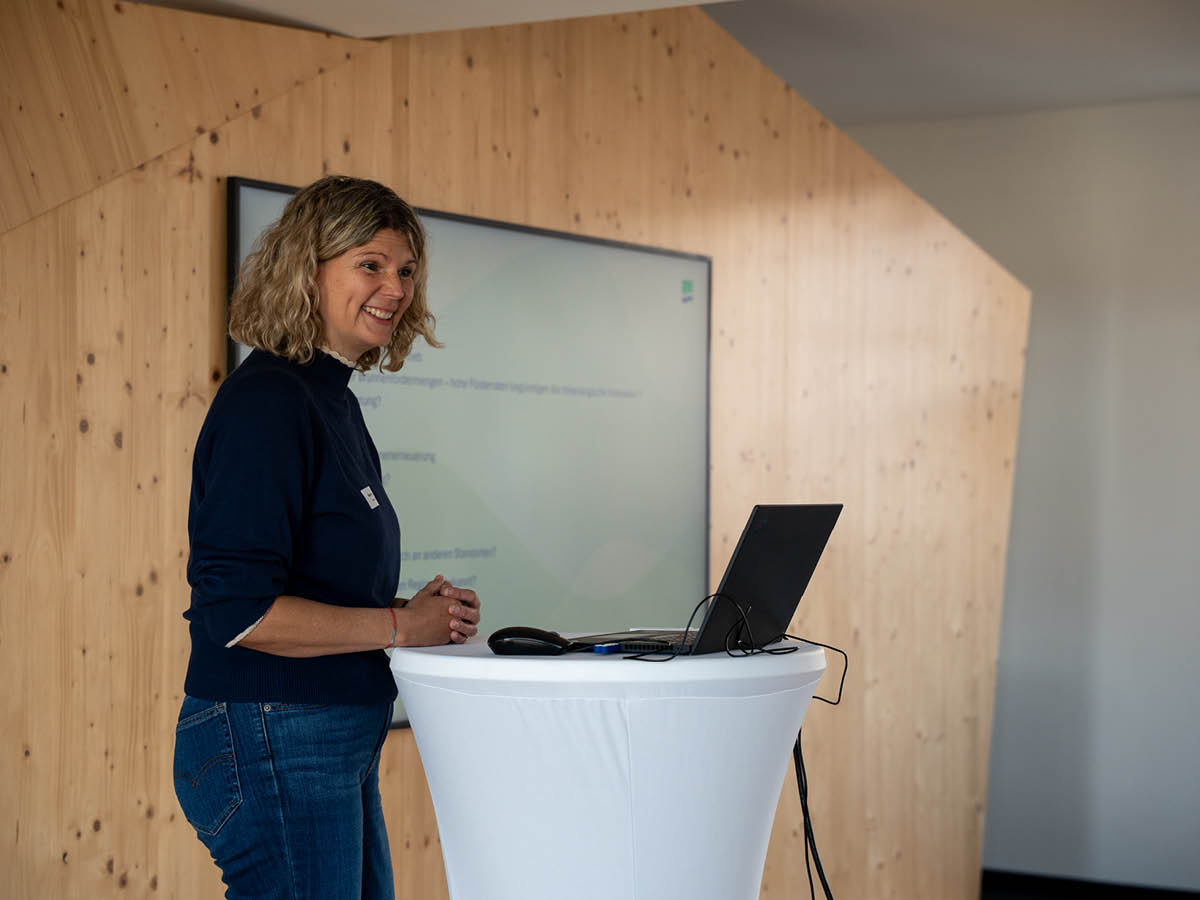
Why do some wells age faster than others? How can their condition be reliably assessed, and when is well rehabilitation worthwhile? For water utilities, these questions are crucial to ensuring the reliable and cost-effective operation of wells over the long term. On 4 November 2026, 32 experts from 15 organisations across five German federal states gathered at the invitation of Berliner Wasserbetriebe and the Kompetenzzentrum Wasser Berlin (KWB) to share experiences, discuss outstanding questions and identify common research needs.
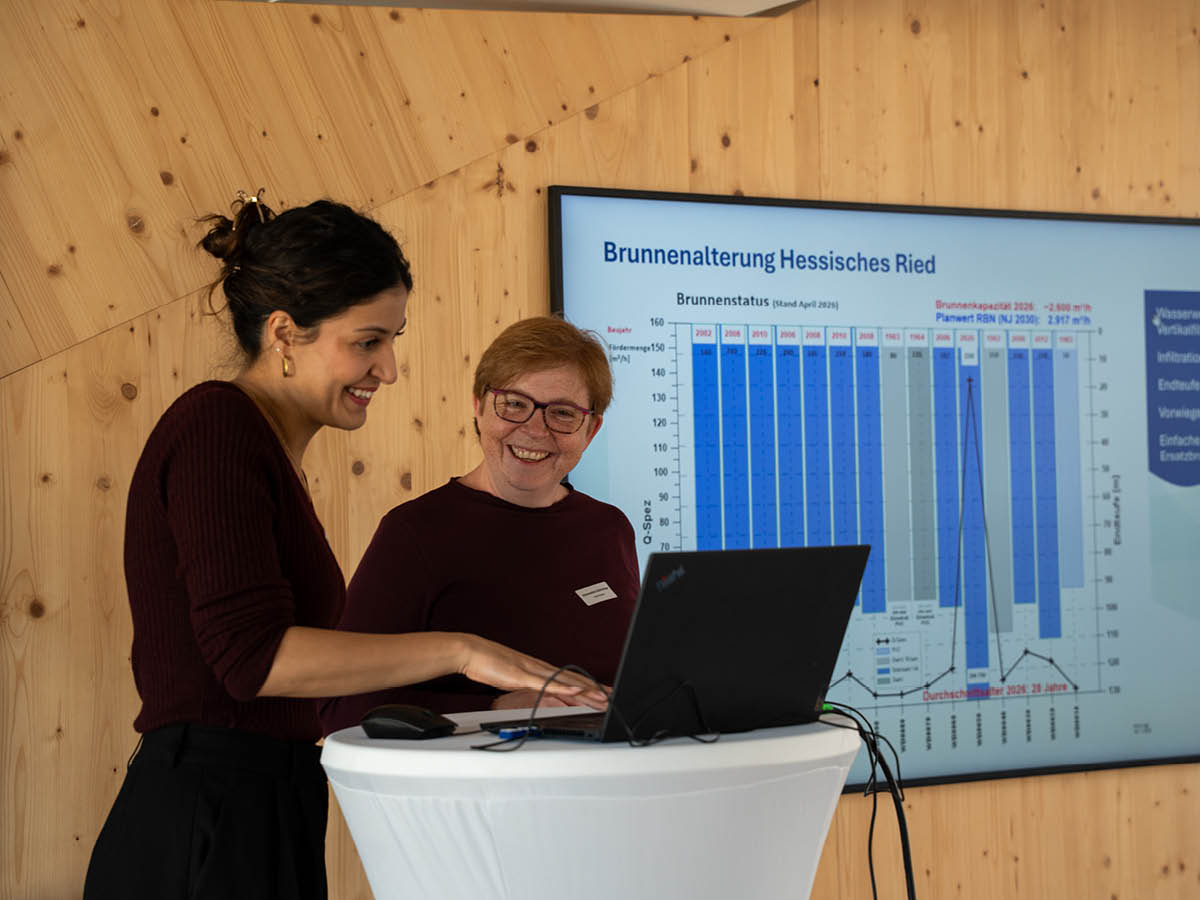
As part of the Well-KI research project, Berliner Wasserbetriebe and KWB brought together representatives from water utilities, research institutions, municipal utilities, well operators and specialised service providers. Technical presentations and short case studies offered insights into different experiences with well construction, operation, monitoring and rehabilitation.
The central question was what could be learned from these experiences, where gaps in knowledge remain, and how research can help support more informed decision-making in well management.
Every Well Is Different – But Which Findings Are Transferable?
Geological and hydrochemical conditions, well design and construction, operating practices and maintenance can vary considerably. As a result, well operators have widely differing experiences of ageing processes and the effectiveness of well rehabilitation measures.
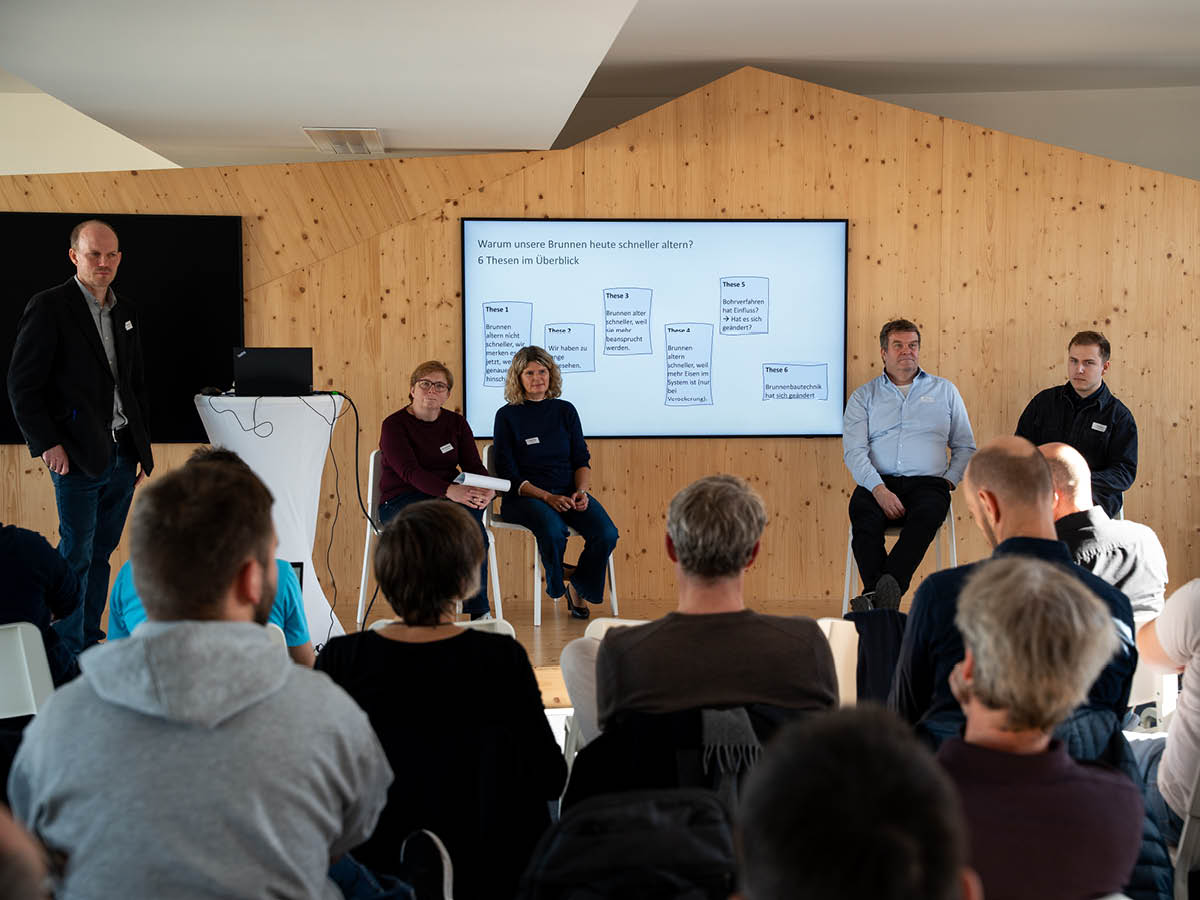
One topic of particular discussion was whether wells are actually ageing faster today than in the past. While some participants pointed to changes in well construction and operation, the possibility of survivorship bias was also raised: older wells with particularly long service lives are often still in operation, whereas less productive wells have already been replaced and are therefore absent from present-day comparisons. Participants also discussed the influence of pump switching frequency, construction materials and gravel packs, as well as the question of when rehabilitating a well is no longer economically viable.
The discussions highlighted the importance of systematically bringing together operational experience and data from different sites and making them comparable. Such a cross-site dataset could provide the basis for developing an assessment and decision-making framework to help operators systematically evaluate well conditions, identify the causes of ageing and determine appropriate rehabilitation measures.
The Dialogue Continues
The event demonstrated the value of direct dialogue between researchers and practitioners, as well as the strong interest in working together to address outstanding questions. Participants also expressed a clear desire to continue the exchange in 2027.
We would like to thank all speakers and participants for their openness, the valuable insights they shared and the constructive discussions.
How can ageing processes in drinking water wells be detected at an early stage and assessed more accurately? In the WELL-KI research project, KWB and Berliner Wasserbetriebe are investigating how operational data and AI-based methods can support proactive well management.